Wednesday, November 19, 2014

Book Review: Steve Jobs by Walter Isaacson

I finished reading (rather lately though it was in my list for long) the biography of Steve Jobs. And what an experience it was to know the life of innovative and equally crazy person. An adopted child grows to mesmerize the world and brings change to the way people live in his own way. He was always honest and brutal many a times so most people found it difficult to work with him though they admired his thinking. When he was at school he was busy with pranks involving electronic gadgets than making friends. One of his childhood friends, Steve Wozniak, one more person obsessive with electronics, made a good friend of Steve Jobs and both went on to found the business of designing, making and selling computers which is called Apple.

Being abandoned by his biological parents hurt Steve Jobs a lot though the parents who adopted him poured all their love and care and spent their life savings to send him to college. Steve later in his life tracks his biological mother and learns that he has a sister, Monica Simpson, who becomes a confidant of Steve for the rest of his life. When Monica traces their biological father, Steve refuses to meet him.

While he mastered the subject of electronics, his personal life was not a conventional one. He goes to India to learn spirituality. He takes up arts as his subject of study for graduation and does not complete it as he thought it is a financial drain of his parent’s earnings. But incomplete academics were not a drag on his future and the artistic bent of mind of he developed had put him at the junction of technology and art and the products he designed and developed were on the hands of millions of people all over the world.

His personal life was erratic many a times. He makes his girlfriend pregnant and refuses to acknowledge that he is the father of the child for many years after the birth of child, only to take responsibility of her later in life. His attitude towards co-workers earns him a bad name and he is thrown out from running operations of Apple, the company he founded. He starts another company, brings out many creative products but none of them see big commercial success but establish him as an innovator in the industry and that experience also teaches him how to manage a company and not just design products. Apple, in Steve’s absence looses market share as it fails to bring out exciting products after the initial Macintosh product line. Steve is called back and the successful products begin to roll out again putting back both Apple and Steve at the helm. When the products of Apple were a competition to their own products, Steve had said “We need to cannibalize our own products, else someone will”.


This book was the #1 best-seller on Amazon in 2011. When you read this book, you will know why a perfectionist like Steve Jobs was insisting Walter Isaacson to write this biography. It is based on multiple interviews of the author with Steve Jobs and discussions with numerous other people. This book provides multiple perspectives about Steve Jobs, his life as seen by himself and others.

Wednesday, November 12, 2014

Jatropha: Will low crude kill the interest?

Background

While India and all other oil importing countries are celebrating the drop in crude oil prices, there is one industry in the early phase will see a set-back. That is bio-fuels. All the interest in bio-fuels was due to consistent rise in crude oil prices. There was search for alternate fuels. And bio-fuels seemed to be the answer. Ethanol blending began couple of years ago. Since most of Ethanol is made out of Sugar crop, there was fear that it will lead to shortage of sugar and drive the food prices high. Then the interest turned towards Jatropha, which is a non-food crop and can be grown in semi and non-arable farmlands. It seemed perfect to make bio-diesel out of Jatrpoha seeds. It will reduce oil imports, saves foreign exchange, create jobs in the homeland where there is so much of unemployment and non-arable land. Govt. announced subsidies, organizations began spreading the knowledge, pilot projects kick-started and there were research projects taken up to improve yield of Jatropha crop.

Jatropha farm and its seeds

Bio-fuel economics under threat

Most of the bio-fuel business models assumed crude oil prices remaining high or going up further. Now that crude prices are down (30% approx.), and there seems to be no hurry in getting back to earlier prices as the crude oil capacity is on the rise and demand is not catching up at the same pace.
To keep up with the fall in crude and to make economic sense, yields from Jatropha crop has to go up by at least 30% or so. When the pilot projects are not yet proven for their feasibility, this additional expectation is a burden on the economics of Jatropha crop.

In another development, natural gas (CNG, LNG, LPG) vehicles are becoming popular. An increasing number of vehicles worldwide are being manufactured to run on natural gas. The trend is likely to catch up further as many countries would like make use the new gas discoveries and the biggest of them is USA with their shale gas exploration. As more and more natural gas run cars hit the roads, demand for bio-fuel fades away.


Conclusion

As bio-diesel loses its price competency against the conventional crude oil, Jatropha farmers (there are not many) will find fewer and fewer takers for their crop. An industry in its infancy will face a survival threat. Jatropha seemed to be a solution to isolate from geo-politics for India but when oil producing countries are offering a discount for their natural resource, geo-politics lost its power to influence crude pricing.


 For now it appears that Jatropha has hit a road block. Unless the crude prices come back or Govt. offers further incentives or any improvement in the yield in Jatropha is seen, Jatropha farmers need to stay cautious.

Tuesday, November 11, 2014

ಪುಸ್ತಕ ಪರಿಚಯ: ಹುಚ್ಚು ಮನಸಿನ ಹತ್ತು ಮುಖಗಳು (ಶಿವರಾಮ ಕಾರಂತ)

ಇದು 'ಕಡಲ ತಡಿಯ ಭಾರ್ಗವ' ಎನಿಸಿಕೊಂಡಿರುವ ಶಿವರಾಮ ಕಾರಂತರ ಆತ್ಮ ಚರಿತ್ರೆ. ಈ ಪುಸ್ತಕದಲ್ಲಿ ಅವರು ತಮ್ಮ ಜೀವನದ ಬಹು ಮುಖ್ಯ ಘಟ್ಟಗಳನ್ನು ಮೆಲುಕು ಹಾಕಿ, ತಾವು ಸಾಗಿ ಬಂದ ಹಾದಿಯನ್ನು ವಿಶ್ಲೇಸಿಸುತ್ತ, ತಮ್ಮ ಬದುಕು ಹಾಗೂ ವ್ಯಕ್ತಿತ್ವ ರೂಪುಗೊಂಡ ಬಗೆಯನ್ನು ಅನಾವರಣಗೊಳಿಸುತ್ತ ಹೊಗುತ್ತಾರೆ.

ಅಪರಿಮಿತ ಕುತೂಹಲ ತುಂಬಿದ, ಜೀವನ್ಮುಖಿಯಾದ ಒಬ್ಬ ವ್ಯಕ್ತಿ ಜಗತ್ತಿನ ಅನ್ವೇಷಣೆಗೆ ತೊಡಗಿದಾಗ, ಆತ ಹಲವಾರು ವಿಷಯಗಳಲ್ಲಿ ಸುಲಭದಲ್ಲಿ ಹಿಡಿತ ಸಾಧಿಸುತ್ತ, ಸಾಹಿತ್ಯ, ಸಂಗೀತ, ನೃತ್ಯಗಳನ್ನು ಒಲಿಸಿಕೊಂಡು, ಇತಿಹಾಸ, ರಾಜಕೀಯ, ತತ್ವಶಾಸ್ತ್ರಗಳಲ್ಲಿ ಪ್ರೌಢಿಮೆ ತನ್ನದಾಗಿಸಿಕೊಂಡು, ಜಗತ್ತಿನ ಉದ್ದಗಲಕ್ಕೂ ಅಲೆಯುತ್ತಾ, ನಾನಾ ಸಂಸ್ಕೃತಿಗಳ, ವಿವಿಧ ವ್ಯಕ್ತಿತ್ವಗಳ ಪರಿಚಯ ಮಾಡಿಕೊಳ್ಳುತ್ತ, ಅದುವರೆಗೂ ಜನ ಗಮನಿಸದಂತ ವಿಷಯಗಳನ್ನು ಗ್ರಹಿಸುತ್ತಾ ಸಾಗುತ್ತಾನೆ. ಅವನ ಜ್ಞಾನದ ಪರಿಮಿತಿ ವಿಸ್ತಾರಗೊಳ್ಳುತ್ತ, ಅವನು 'ನಡೆದಾಡುವ ಜ್ಞಾನಕೋಶ' ಎನಿಸಿಕೊಳ್ಳುತ್ತಾನೆ.

ಒಬ್ಬ ಬರಹಗಾರ ತನ್ನ ಜೀವನ ಅನುಭವದ ತಳಹದಿಯ ಮೇಲೆ, ತನ್ನ ಕಥೆ, ಕಾದಂಬರಿಯ ಪಾತ್ರಗಳನ್ನು ಸೃಷ್ಟಿಸುತ್ತಾನೆ. ಬರಹಗಾರನ ಬದುಕು ಎಷ್ಟು ವಿಸ್ತಾರವಾಗಿರುತ್ತದೋ ಅಷ್ಟು ಅವನ ಕೃತಿಗಳು ಸಂಪತ್ದ್ಭರಿತ ವಾಗಿರುತ್ತವೆ. 'ಚೋಮನ ದುಡಿ' ಯಿಂದ 'ಮೂಕಜ್ಜಿಯ ಕನಸು'  ವರೆಗಿನ ಕಾದಂಬರಿಗಳಲ್ಲಿ ಕಾಣ ಬರುವ ಪಾತ್ರಗಳ ವೈವಿಧ್ಯತೆಗಳು, ಕಥೆಯ ಸಾರ, ಅವುಗಳ ಕರ್ತೃವಿನ ಜೀವನಾನುಭವ ಸೂಚಿಸುತ್ತವೆ. ಬಹು ಮುಖ ಪ್ರತಿಭೆಯ, ಪ್ರತಿಯೊಂದನ್ನು ಪ್ರತಿಶೋಧನಗೆ, ತುಲನೆಗೆ ಒಳ ಪಡಿಸುವ ವ್ಯಕ್ತಿಗೆ, ಬರೆಯುವ ಕಲೆ ಸಹಜವಾಗಿ ಸಿದ್ದಿಸಿ ಬಂದಿತ್ತು. ಕಲೆಯ ಇತರೇ ಪ್ರಾಕಾರಗಳು ಈ ಸರಸ್ವತಿ ಪುತ್ರನಲ್ಲಿ ಮಿಳಿತಗೊಂಡಿದ್ದವು. ಶಿವರಾಮ ಕಾರಂತರು ಕಾಲೇಜು ಪದವಿ ಪಡೆಯದಿದ್ದರೂ, ಎಂಟು ವಿಶ್ವ ವಿದ್ಯಾನಿಲಯಗಳಿಂದ ಗೌರವ ಪೂರ್ವಕ ಪ್ರಧಾನ ಮಾಡಿದಂತ ಡಾಕ್ಟರೇಟ್ ಪದವಿಗಳು, ಅವರ ಬೌದ್ಧಿಕ ಆಳ ಮತ್ತು ಸಾಹಿತ್ಯ ಸಾಧನೆಗಳನ್ನು ಎತ್ತಿ ಹಿಡಿಯುತ್ತವೆ.

ಶಿವರಾಮ ಕಾರಂತರ ಜೀವನ ಚರಿತ್ರೆ ತಿಳಿದುಕೊಳ್ಳಲು ಆಸಕ್ತಿ ಇರುವವರಿಗೆ ಅವರದೇ ಬರವಣಿಗೆ ಇರುವ ಈ ಪುಸ್ತಕ ಉತ್ತಮ ಆಯ್ಕೆ. ಅವರ ಕಾದಂಬರಿಗಳಲ್ಲಿ ಕಂಡು ಬರುವ ಜೀವನ ಸ್ಪೂರ್ತಿ, ಈ ಪುಸ್ತಕದ ಉದ್ದಕ್ಕೂ ಕಾಣಬಹುದು. ಕಾರಂತರು ಈ ಪುಸ್ತಕಕ್ಕೆ 'ಹುಚ್ಚು ಮನಸಿನ ಹತ್ತು ಮುಖಗಳು' ಎಂದು ಹೆಸರಿಟ್ಟರೂ, ನನ್ನ ಪ್ರಕಾರ ಕನ್ನಡ ನಾಡು ಕಂಡ ಹತ್ತು ಪ್ರತಿಭಾನ್ವತರಲ್ಲಿ ಅವರು ಒಬ್ಬರು.

-0-

This is the autobiographical work of veteran writer Shivaram Karanth. In this book he revisits the major milestones of his long and fulfilling life.

When a curious person begins exploring the life, he quickly learns the subject of his interest and moves to another (Literature, Music, Dance, History, Politics, Philosophy and so on), travels from one place to another (all over the world), meets variety of people, witnesses strange incidents and observes what many others overlooked. As the repository of knowledge gets bigger and bigger, he becomes a ‘Walking Encyclopedia’.


A writer, a novelist in particular, creates characters for his fictional work from his own life experiences. Wider the experience of the writer, richer is the novel. From ‘Chomana Dudi’ to award winning ‘Mookajjiya Kanasugalu’ characters and plot of the novels show the breadth and depth of life experiences of their creator. For the multi-talented, well-traveled, exploratory nature person, writing came naturally as a form of creative expression but he was equally successful in other forms of arts as well. Shivaram Karnath did not have a college degree, but the honorary Ph. D’s from at least 8 universities were more of a tribute to his intellectual depth and literary achievements.


For those who are interested in knowing the making and personal life of Shivaram Karanth, this book serves best in his own words. Like in his fictional works, one can observe presence of the life force throughout the length of this autobiography. Though this book is named ‘Ten Faces of a Crazy Mind’, I think Shivaram Karnath is one of the ten wisest men Karnataka has seen.

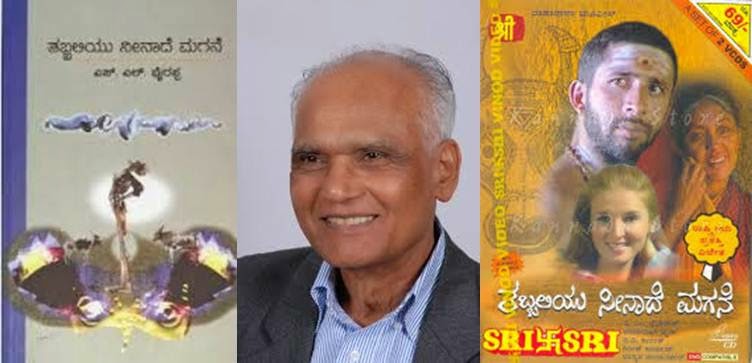
Book Review: Tabbaliyu Neenade Magane (A Kannada novel) by S L Bhyrappa

'ಧರಣಿ ಮಂಡಲ ಮಧ್ಯದೊಳಗೆ

ಮೆರೆಯುತಿಹ ಕರ್ಣಾಟ ದೇಶದಿ'


ಪುಣ್ಯಕೋಟಿ ಎಂಬ ಗೋವು ಇದ್ದ ದೊಡ್ಡಿಯ ವಂಶಸ್ಥನಾದ ಕಾಳಿಂಗಗೌಡನೊಂದಿಗೆ ಶುರುವಾಗುವ ಕಾದಂಬರಿ ಅವನ ಮೊಮ್ಮಗನಾದ ಕಾಳಿಂಗ (ಅಜ್ಜನ ಹೆಸರು ಮೊಮ್ಮಗನಿಗೆ ಇಡುವುದು ವಂಶದ ವಾಡಿಕೆ) ನೊಂದಿಗೆ ಕೊನೆಗೊಳ್ಳುತ್ತದೆ.


ಕಾಳಿಂಗಗೌಡ ಹಾಲಿನ ಆಸೆಗಾಗಿ ಗೋವನ್ನು ಸಾಕಿದವನಲ್ಲ. ಮನುಷ್ಯ ತಾಯಿಗಿಂತ ಗೋಮಾತೆಯ ಪುಣ್ಯ ದೊಡ್ಡದು ಎನ್ನುವುದು ಅವನ ಅಚಲ ನಂಬಿಕೆ. ತನ್ನ ದೊಡ್ಡಿಯಲ್ಲಿರುವ ಎಲ್ಲ ಹಸುಗಳಿಗೂ ಅವನು 'ಗಂಗೆ', 'ಗೌರಿ' ಎಂದು ದೇವತೆಗಳ ಹೆಸರು ಹಿಡಿದೇ ಕರೆಯುತ್ತಾನೆ. ಅದರಲ್ಲೂ ಪುಣ್ಯಕೋಟಿ ತಳಿಯ ಬಗ್ಗೆ ಗೌಡನಿಗೆ ಎಲ್ಲಿಲ್ಲದ ವಿಶ್ವಾಸ. ಅವನ ಮೊಮ್ಮಗ ಇನ್ನೂಕೂಸಾಗಿರುವಾಗ, ತಾಯಿಯ ಎದೆ ಹಾಲು ಸಾಲದಾಗಿ ಪುಣ್ಯಕೋಟಿ ಹಾಲು ಕುಡಿದೆ ದೊಡ್ಡವನಾಗಿದ್ದು. ಕಾಡಿಗೆ ಹಸು ಮೇಯಿಸಲು ಹೋದಾಗ ಅಲ್ಲಿ ಪುಣ್ಯಕೋಟಿ  ಮೇಲೆ ಎರಗಿದ ಕಿರುಬನ ಜೊತೆ ಕಾಳಗದಲ್ಲಿ ಮಡಿದ ಮಗ ಕೃಷ್ಣನನ್ನು ಮತ್ತು ಕೆಲವೇ ದಿನಗಳಿಗೆ ಮಡಿದ ಪುಣ್ಯಕೋಟಿ ಹಸುವನ್ನು ಅಕ್ಕ ಪಕ್ಕದಲ್ಲೇ ಮಣ್ಣು ಮಾಡಿ ತನ್ನ ಸಂಸ್ಕಾರ ಮೆರೆದಿದ್ದ ಕಾಳಿಂಗಗೌಡ. ಅಲ್ಲದೆ ಪುಣ್ಯಕೋಟಿ ಹಾಡಿನಲ್ಲಿ ಬರುವ ಹಸು ಹೆಬ್ಬುಲಿಯನ್ನು ಪರಿವರ್ತಿಸಿದ ಜಾಗವಾದ ಅರುಣಾದ್ರಿ ಬೆಟ್ಟದಲ್ಲಿ ಒಂದು ದೇವಸ್ಥಾನ ಮತ್ತು ಕಲ್ಯಾಣಿಯನ್ನು ಕಟ್ಟಿ ತನ್ನ ಅಭಿಮಾನ ವ್ಯಕ್ತಗೊಳಿಸಿದ್ದ.


ಅವನ ಮೊಮ್ಮಗ ಕಾಳಿಂಗ ತನ್ನ ವಂಶದಲ್ಲೇ ಮೊದಲ ಬಾರಿಗೆ ಶಾಲೆಯ ಮೆಟ್ಟಿಲು ಹತ್ತಿ, ಹೈ ಸ್ಕೂಲು, ಕಾಲೇಜು ಪಾಸಾಗಿ, ಇಂಗ್ಲೀಷು ಕಲಿತು, ವಿದೇಶಕ್ಕೆ ಹೆಚ್ಚಿನ ಅಭ್ಯಾಸಕ್ಕೆ ತೆರಳಿದ್ದಅಜ್ಜಿಯ ತಿಥಿಗೆ ವಾಪಸ್ಸು ಮರಳಿದ ಕಾಳಿಂಗನಿಗೆ, ಅಜ್ಜ ಎಲ್ಲೆಂದು ಕೇಳಿದಾಗ, ಅಜ್ಜಿಯ ತಿಥಿ ಮುಗಿದು ಹೋಗಿ, ನಂತರ ಕಾಲವಾದ ಅಜ್ಜನ ತಿಥಿಗೆ ಎಲ್ಲರು ಅಣಿಯಾಗುತ್ತಿರುವುದು ತಿಳಿಯಿತು. ಅಲ್ಲಿಂದ ಅಜ್ಜನ ಎಲ್ಲ ಆಸ್ತಿಯ ಹೊಣೆಗಾರಿಕೆ ಅವನ ಹೆಗಲೇರಿತು. ತನ್ನ ಸ್ನೇಹಿತ ಮತ್ತು ಅವನ ಅಜ್ಜ ಕಟ್ಟಿಸಿದ ದೇವಸ್ಥಾನದ ಅರ್ಚಕನಾದ ವೆಂಕಟರಮಣನಿಂದ ತನ್ನ ಕುಟುಂಬಕ್ಕೆ ಸಂಬಂಧಿಸಿದ ವಿಷಯಗಳನ್ನು ಕೇಳಿ ತಿಳಿದುಕೊಂಡ.


ಆಧುನಿಕ ವಿಚಾರಗಳನ್ನು ಮೈಗೂಡಿಸಿ ಕೊಂಡಿದ್ದ ಕಾಳಿಂಗನ ವಿಚಾರಗಳು ಅವನ ಅಜ್ಜನವಕ್ಕಿಂತ ಸಂಪೂರ್ಣ ವಿಭಿನ್ನವಾಗಿದ್ದವು. ಹಸು ಒಂದು ಹಾಲು ಕೊಡುವ ಪ್ರಾಣಿ ಮತ್ತು ಅದು ಹಾಲು ಕೊಡುವುದು ನಿಲ್ಲಿಸಿದಾಗ ಅದನ್ನು ಮಾಂಸಕ್ಕೆ ಉಪಯೋಗಿಸುವುದು ಸೂಕ್ತ ಎನ್ನುವುದು ಅವನ ಅಭಿಪ್ರಾಯ. ಹಾಗಾಗಿಯೇ ಅವನು ತನ್ನ ದೊಡ್ಡಿಯಲ್ಲಿದ್ದ ಗೊಡ್ಡು ಹಸುಗಳನ್ನು ಮಾರಿ ಹಾಕಿದ. ಅಜ್ಜ ದೇವಸ್ಥಾನಕ್ಕೆಂದು ಕಲ್ಯಾಣಿ ಕಟ್ಟಿಸಿದ್ದರೂ, ಅದಕೆ ಪಂಪ್ ಜೋಡಿಸಿ ತನ್ನ ಹೊಲಕ್ಕೆ ನೀರು ಬಿಟ್ಟುಕೊಂಡ. ಟ್ರ್ಯಾಕ್ಟರ್ ತರಿಸಿ ಹೊಗೆಸೊಪ್ಪು ಉಳುಮೆ ಮಾಡತೊಡಗಿದ. ಅಮೇರಿಕೆಯಿಂದ ತನ್ನ ಹೆಂಡತಿ ಮತ್ತು ಮಗುವನ್ನು ಕರೆಸಿಕೊಂಡ. ತೋಟದಲ್ಲೇ ಮನೆ ಕಟ್ಟಿಕೊಂಡು ವಾಸ ಮಾಡ ತೊಡಗಿದ. ಕಾಳಿಂಗನ ವರ್ತನೆ ಮತ್ತು ವಿಚಾರಗಳು ಅವನ ಮನೆಯವರಿಗೆ ಹಾಗೂ ಹಳ್ಳಿಯವರಿಗೆ ದಿಗ್ಭ್ರಮೆ ತಂದವು. ಯಾವುದಕ್ಕೂ ಕಿವಿಗೊಡದ ಕಾಳಿಂಗ ಗೆಳೆಯ ವೆಂಕಟರಮಣನ ಮಾತುಗಳನ್ನು ಸಹ ಉಪೇಕ್ಷಿಸಿಸಿದ. ಇದೆಲ್ಲ ಬೆಳವಣಿಗೆಗಳ ನಡುವೆ, ಬದಲಾದ ಮಗನ ನಡುವಳಿಕೆಯಿಂದ ಬೇಸತ್ತು, ಕಾಳಿಂಗನ ತಾಯಿ ಉಳಿದ ಪುಣ್ಯಕೋಟಿ ಹಸುಗಳನ್ನು ವೆಂಕಟರಮಣನಿಗೆ ದಾನ ಕೊಟ್ಟು ಜೀವ ಬಿಟ್ಟಳು. ಅವಳ ಶವಸಂಸ್ಕಾರವನ್ನು ಊರಿನ ಜನರೇ, ಕಾಳಿಂಗನಿಗಾಗಿ ಕಾಯದೆ, ಕರೆಯದೆ, ತಾವೇ ಮಾಡಿ ಮುಗಿಸಿದರು.


ಕಾಳಿಂಗನ ಹೆಂಡತಿ ಹಿಲ್ಡಾಳಿಗೆ ಸ್ಥಾನ ಕ್ಯಾನ್ಸರ್ ಎಂದು ಗೊತ್ತಾಯಿತು. ಎದೆ ಹಾಲು ಕುಡಿಯುವ ಅವನ ಪುಟ್ಟ ಮಗು ಬಾಟಲಿ ಹಾಲನ್ನು ನಿರಾಕರಿಸಿ ಸೊರಗಲಾರಂಭಿಸಿತು. ಆಗ ನೆನಪಾಗಿದ್ದು ತಾನು ಚಿಕ್ಕವನಾಗಿದ್ದಾಗ ಪುಣ್ಯಕೋಟಿ ಕೆಚ್ಚಲಿಗೆ ಬಾಯಿ ಹಾಕಿ ಹಾಲು ಕುಡಿದ ವಿಷಯ. ಅವನ ದೊಡ್ಡಿಯಲ್ಲಿ ಯಾವುದೇ ಪುಣ್ಯಕೋಟಿ ಹಸು ಉಳಿದಿರಲಿಲ್ಲ. ಅವನ ತಾಯಿ ತನ್ನ ಸಾವಿಗೆ ಮುಂಚೆ ಅವನ್ನೆಲ್ಲ ಅರ್ಚಕ ವೆಂಕಟರಮಣನಿಗೆ ದಾನ ಕೊಟ್ಟಿದ್ದಳು. ಕಾಳಿಂಗ ತನ್ನ ಗೆಳೆಯ ವೆಂಕಟರಮಣನ ಹತ್ತಿರ ಸಮಸ್ಯೆ ಹೇಳಿಕೊಂಡು ಒಂದು ಪುಣ್ಯಕೋಟಿ ಹಸುವನ್ನು ಕೆಲ ದಿನಗಳ ಮಟ್ಟಿಗಾದರೂ ಕೊಡುವಂತೆ ಬೇಡಿ ಕೊಳ್ಳುತ್ತಾನೆ. ವೆಂಕಟರಮಣ ಕಾಳಿಂಗನನ್ನು ಹೀಯಾಳಿಸಿದರೂ, ಒಂದು ಹಸುವನ್ನು ಅದನ್ನು ಯಾವುದೇ ಕಾರಣಕ್ಕೆ ಸಾಯಿಸಬಾರದು ಎನ್ನುವ ಕರಾರು ಹಾಕಿ ಕೊಡುತ್ತಾನೆ. ಕಾಳಿಂಗನ ಪುಟ್ಟ ಮಗು ಪುಣ್ಯಕೋಟಿ ಕೆಚ್ಚಲಿಗೆ ಬಾಯಿ ಹಾಕಿ ಹಾಲು ಕುಡಿಯಲು ಪ್ರಾರಂಭಿಸುತ್ತದೆ. ಅಲ್ಲಿಯರೆಗೆ ತನ್ನ ವರ್ತನೆಯಲ್ಲಾದ ಲೋಪ ದೋಷಗಳ ಅರಿವು ಕಾಳಿಂಗನಿಗಾಗುತ್ತದೆ. ಅವನು ಕೆಲವೇ ದಿನಗಳ ಹಿಂದೆ ಕಟುಕರಿಗೇ ಮಾರಿದ್ದ ದನಗಳನ್ನು ವಾಪಸ್ಸು ತರುವ ಉದ್ದೇಶದಿಂದ ಅವುಗಳನ್ನು ಹುಡುಕಿಕೊಂಡು ಮುಂಬೈ ತಲುಪುತ್ತಾನೆ. ಅಲ್ಲಿ ಬಯಲಲ್ಲಿರುವ ಸಾವಿರಾರು ದನಗಳಲ್ಲಿ ತನ್ನವು ಯಾವೆಂಬುದು ಗುರುತು ಸಿಗುವುದಿಲ್ಲ. ಮತ್ತು ಅವೆಲ್ಲ ತನ್ನವೇ ಎನ್ನುವ ಭಾವ ಬರುತ್ತದೆ. ಆದರೆ ಅವುಗಳನ್ನು ತಾನು ಉಳಿಸಲಾರದ ಅಸಹಾಯಕತೆ ಅವನರಿವಿಗೆ ಬರುತ್ತದೆ. ಇದ್ದಕ್ಕಿದ್ದ ಹಾಗೆ ತಾಯಿಯ ನೆನಪು ಬರುತ್ತದೆ ಮತ್ತು ಅವ್ವ ಸಾಯಬಾರದಾಗಿತ್ತು ಎನಿಸುತ್ತದೆ. ಅವನು ತಬ್ಬಲಿಯಾಗುವುದು ಅನಿವಾರ್ಯವಾಗಿತ್ತೋ  ಎನ್ನುವ ವಿಷಯ ಅವನ ಗ್ರಹಿಕೆಗೆ ಸಿಕ್ಕದೆ ಹೋಗುತ್ತದೆ.


The story of this Kannada novel is set in the 1960s’ in a typical village of India. Tabbaliyu Neenade Magane can be roughly translated to “You've become an orphan, Son”.

The family of Kalinge Gowda belongs to the tribes who rear the cattle. Kalinge Gowda and his family believe that cows are no ordinary animals but representation of Gods. They get no less care than his family members. His affection towards cows is appreciated ad reciprocated by the whole village at large. His son died a brave death fighting a wolf trying to kill his cow. His grandson, also named Kalinga (as per family tradition of passing the name of grandfather to grandson across generations), was fed by a cow during his infancy when the child’s mother did not produce sufficient breast milk. These experiences had made his life more interwoven with that of cows and he goes on to build a temple at the place memorized as the meeting place of a cow ‘Punyakoti’ belonging to his ancestors with a tiger and it was believed that tiger gave up its life as it was moved by truthfulness of the cow for keeping the promise it made to the tiger for coming back to it to become food for it. In this background, grandson Kalinga grows up, completes his schooling and heads to USA for higher studies in Agriculture and related sciences.


The final days turn tragic for the contented old man Kalinge Gowda. Govt. begins to construct a road across his farm dividing the land he owns and also running over the burial place of his son. Moved by this Kalinge Gowda’s wife dies and Kalinge Gowda too departs soon. Grandson Kalinga returns to homeland to find that both of his grandparents are dead. He cannot communicate effectively with his mother as she is mute, cannot talk.

Kalinga approaches the Govt. officials for compensation for the land lost towards road construction and the land where his grandfather had built the temple in return. As a well-educated and foreign returned individual he commands respect among the Govt. officials with ease. He puts efforts in bringing the modern methods of farming to his village, buys a tractor and makes use of a water-pump to lift water. He meets up with his childhood friend Venkataramana who is also a priest performing Pooja at the temple built by his grandfather. He informs him that he is already married to an American and has a son and talks of his arrangements to bring them to the village. They too arrive soon. 

All the villagers are partially scared with the developments in the family of the offspring of their beloved Kalinge Gowda. Kalinga after his return is a changed person and has very different perspectives than those of his grandfather. He now thinks that the cows which are old of no use and sells them to butchers. This angers the villagers and they begin to develop hatred towards Kalinga. Kalinga’s wife Lydia thinks that animals are a means to human welfare and they should be put to productive use else should be killed. She is a regular meat eater like many of her country people. She one day kills a cow and cooks the meat for her family. Once the news of this spreads in the village, furious villagers attack Kalinga’s farm, destroy his crops and put him to a village court which fines him and bars him from killing any more cows. And the decision was supported by Kalinga’s mother and Venkataramana.


Kalinga’s mother saddened by the behavior of her son dies but the villagers perform the last rites keeping Kalinga out of the scene. Kalinga learns about all this. Though he was pained by his mother’s death, he is afraid of villagers insulting him if he went any near to them. He develops a dilemma and starts thinking what steps of his went wrong. In a few days after his mother’s death, Kalinga’s second child, a daughter is born and soon after the delivery due to medical complications his wife is unable to feed breast milk to the new born. The baby is starved as it refused to accept bottled milk and reaches the verge of life and death and that is when Kalinga goes to Venkataramana and begs him to lend him a cow to feed his baby and thus saves his child. That incident brings clarity to the thoughts Kalinga had and he decides to save the old cows his wife had sold to a butcher few days ago. Tracing them he reaches Mumbai but fails identify his cows among thousands of cows in the butcher house. All begin to appear like his cows but with the money he has he cannot save all of them. Again he begins to retrospect his life.


 This is a masterpiece and a critical work by S L Bhyrappa. This was first published in 1968. It was made into a movie in Kannada and Hindi languages. Though it was written four decades ago, readers of the present times can read it for the clarity of thought and to get the perspectives of moral rightness. Having read most of Bhyrappa’s work, I rate this book and his other novel ‘Parva’ the best among all of his works.

Sunday, November 9, 2014

Book Review: Hullabaloo in the Guava Orchard by Kiran Desai

Sampath Chawla is unusual, different from others. On the day he was born, it rained after a long dry spell and missed monsoon causing drought. He always looked slow and rather dull while growing up making his father lose all hopes on him. But his grandmother was optimistic and used to say “Though it appears he is going downhill, he will come up out on the other side on top of the world. He is just taking the longer route”. But Sampath induced confidence in no one else. He loses the job he had as a post-office clerk. He does not seem to get the ways of this world.

One day he disappears from his house and reaches a guava orchard and settles himself in a guava tree. The family learns this later and makes all attempts to get him down but unsuccessfully. One doctor examines Sampath on the tree and gives up; another suggests arranging a marriage would help solve the issue. Sampath’s family finds a match for him, bring the bride to the tree but the girl falls off from the tree. When multiple attempts to bring Sampath down from the tree fail, his family begins to live in the orchard and make arraignments to supply food to Sampath using a rope and pulley.


A band of monkeys arrives at the tree Sampath is housed and they too approve his stay on tree top. They begin to protect Sampath from those trying to trouble him. The news spreads and attracts people from surrounding places. People begin to identify Samptah as ‘Baba’, and few start calling him ‘Moneky Baba’ too. Monkeys on the tree develop a taste for the alcohol which the visitors had left behind. They became a menace and to put an end to it, District Collector orders to catch all of the monkeys to leave them in a distant forest. When the staff arrives along with nets to catch monkeys and surround the tree, Sampath is to be seen nowhere. At the place he was sitting a guava with a mark resembling a birthmark of Sampath is found. Leader of the monkeys picks it up and the whole gang of monkeys moves away from the tree towards the hill top.

This was the first book of Kiran Desai. She surely has inherited writing talents of her mother, a well known author Anita Desai. One can see the making of a Booker winning author in her first work itself.